
How Turnkey Blind Installation Works for Homeowners
- WINDOWCOVERINGWIZARD
- Jun 13
- 8 min read
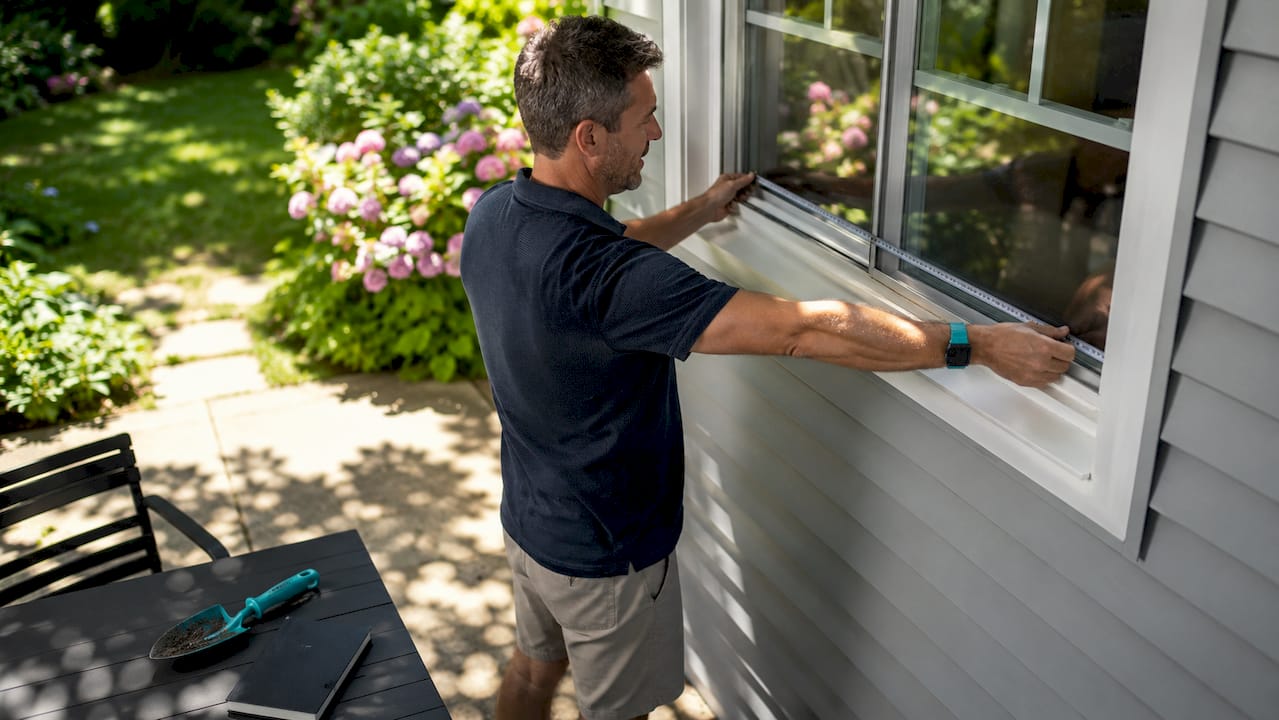
Turnkey blind installation is a professional end-to-end service that covers every step from in-home measurement to final fitting, delivering perfectly fitted window treatments with no guesswork on your part. The industry term for this model is “full-service installation,” though “turnkey” has become the widely accepted shorthand among homeowners and contractors alike. Unlike ordering blinds online and wrestling with a drill on a Saturday afternoon, the turnkey blind installation process puts a trained specialist in charge of consultation, custom ordering, bracket mounting, and homeowner handoff. Tools like laser levels, power drills, and calibrated measuring tapes replace the tape measure and hope approach that causes most DIY blind failures. For homeowners who want precise results without the risk of costly mistakes, understanding how this process works is the first step toward making a confident decision.
How does the turnkey blind installation process work?
The turnkey blind installation process follows a structured sequence, and every stage builds on the one before it. Skipping or rushing any step is the reason DIY installs go wrong. Here is exactly what happens from first contact to final walkthrough.
1. In-home consultation and professional measurement
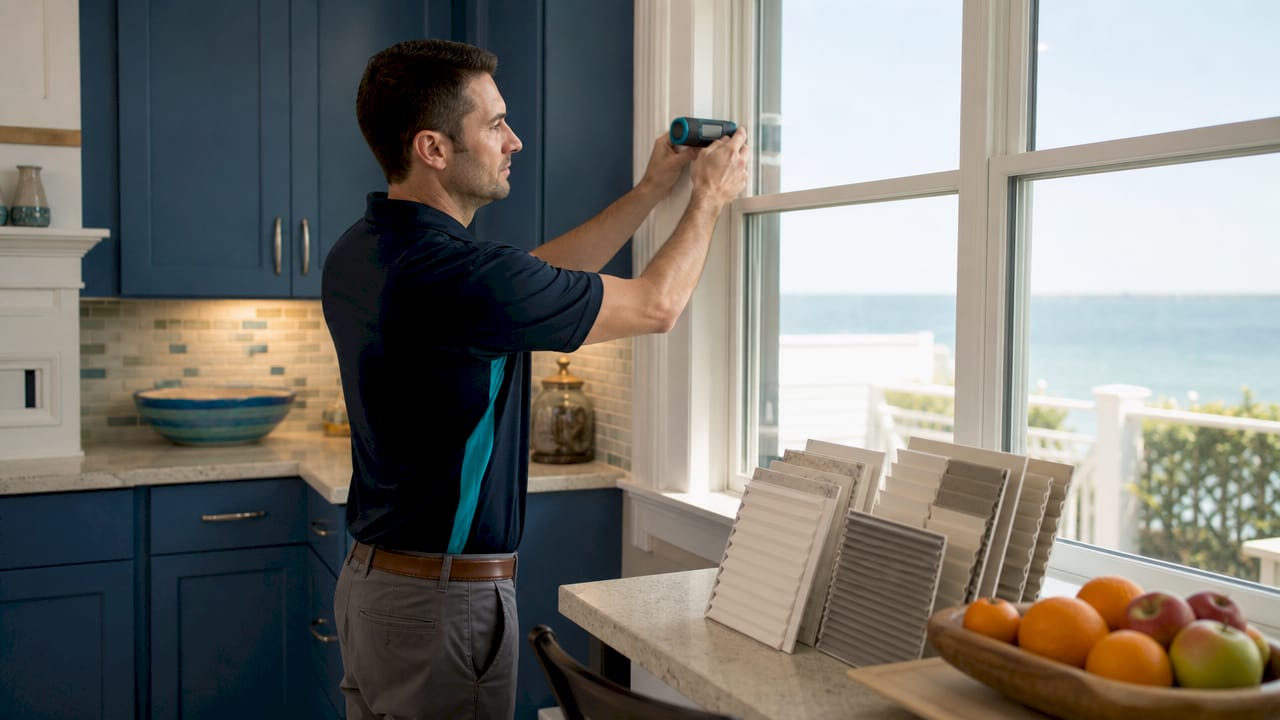
A specialist visits your home to assess each window individually. Measurement happens before blinds are ordered to lock in precise specifications, accounting for window depth, frame obstructions, and whether you want an inside mount or outside mount. Inside-mount blinds sit within the window frame for a clean, recessed look. Outside-mount blinds cover the frame entirely, which is useful for blocking more light or making a window appear larger. Both options require different measurements, and getting them wrong means the blinds will not fit.
2. Custom blind ordering
Once measurements are confirmed, your blinds are ordered to exact specifications. Custom blinds manufacturing typically takes two to three weeks, while stock sizes move faster. This lead time is not a flaw in the process. It is the reason custom blinds fit perfectly where off-the-shelf products leave gaps.
3. Scheduling and pre-installation prep
When your blinds arrive, the installer schedules a fitting appointment. On installation day, the specialist protects your floors and windowsills before any drilling begins. Turnkey installers protect home surfaces during work and accept responsibility for quality, which reduces your risk as a homeowner. This is a detail most DIYers skip entirely, and it matters when you have hardwood floors or freshly painted trim.
4. Bracket installation and leveling
The installer marks bracket positions, drills pilot holes, and secures hardware to the frame or wall. Inside-mount installations require precise bracket leveling because even slight frame unevenness will cause the headrail to sit crooked. A laser level catches this before it becomes a problem. Pilot holes prevent wood splitting and keep the mounting surface intact.
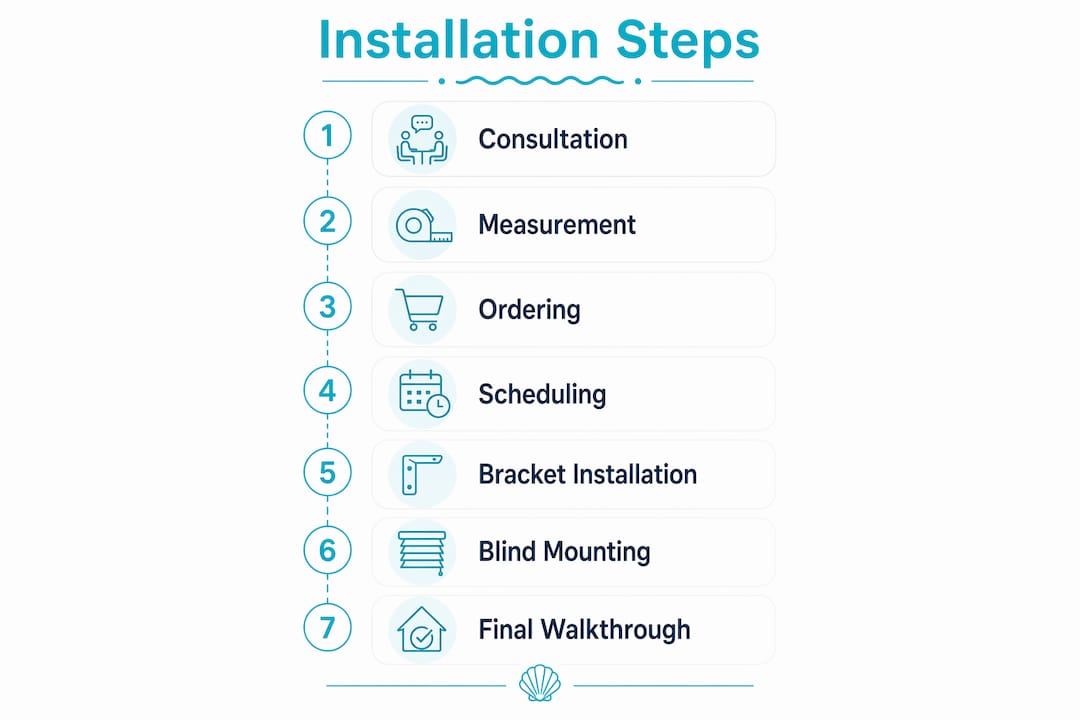
5. Blind mounting and functional testing
With brackets secured, the blinds click or slide into place. The installer then tests every function: raising, lowering, tilting slats, and checking cord tension. For motorized blinds, travel limits are programmed during installation to set the upper and lower stop points, and the motor runs through several cycles to confirm the settings are correct.
6. Final walkthrough and cleanup
The installer walks you through how to operate your blinds, explains any maintenance requirements, and cleans up the work area completely. The final walkthrough includes operation instruction and thorough cleanup before the job is considered finished. You leave the appointment knowing exactly how your blinds work and what to do if something needs adjustment.
Pro Tip: Ask your installer to demonstrate both manual and motorized controls during the walkthrough. If you have motorized shades, request a written note of the programmed limit settings for future reference.
What are the benefits of turnkey installation versus DIY?
The honest comparison between turnkey and DIY comes down to risk versus savings. DIY blind installation looks straightforward until you are standing on a ladder with a crooked bracket and a blind that is a quarter inch too wide.
Here is where turnkey installation consistently outperforms the DIY approach:
Fit accuracy. Incorrect measurements cause blinds not to fit or leave visible light gaps along the edges. A professional measures each window with calibrated tools and accounts for variables a homeowner would not think to check, like whether the window frame is perfectly square.
Level alignment. Crooked blinds are the most common DIY complaint. Professional hardware mounting with a laser level produces alignment that holds over time.
Motorized setup. Programming motorized shade travel limits requires precision. Incorrect limit settings cause the motor to strain against the stops, shortening the motor’s lifespan significantly.
Time savings. A professional installs eight windows in two to three hours. A first-time DIYer often spends that long on two windows, then faces adjustments the following weekend.
Warranty protection. Many manufacturers require professional installation to honor a product warranty. Turnkey installation keeps that coverage intact.
Cleaner process. Professionals bring their own tools, manage dust from drilling, and remove all packaging and debris. You do not spend the evening vacuuming drywall dust off your furniture.
Pro Tip: If you are considering local professionals versus online retailers, factor in the cost of a second set of blinds if your DIY measurements are off. That “savings” disappears fast.
How long does a typical turnkey blind installation take?
Timing is one of the most practical questions homeowners ask, and the answer depends on two separate phases: manufacturing and the installation appointment itself.
Phase | Typical Duration | Key Variable |
In-home consultation | 30 to 60 minutes | Number of windows and complexity |
Custom manufacturing | 2 to 3 weeks | Custom vs. stock sizing |
Installation appointment | 2 to 3 hours for 8 windows | Motorized or specialty blinds add time |
First window setup | 20 to 30 minutes | Careful leveling and test fitting |
Each additional window | 10 to 15 minutes | Consistent bracket type speeds progress |
A typical installation for a three-bedroom home with eight windows takes two to three hours, with the first window taking the longest as the installer establishes the approach for that window type. This means a full home installation is genuinely a half-day commitment, not a weekend project. Motorized blinds add time because of limit programming and cycle testing. Specialty products like plantation shutters or layered shades require additional fitting steps and may extend the appointment.
The manufacturing lead time is the phase most homeowners underestimate. Ordering custom blinds with a two to three week lead time means you should plan your installation appointment for at least three to four weeks after your consultation. Build that into your timeline if you are working toward a move-in date or a renovation deadline.
What should you do to prepare for your installation appointment?
Preparation on your end takes about 20 minutes and makes the installer’s job significantly faster. Here is what to do before the team arrives:
Clear the window area. Move furniture, plants, and decorative items at least three feet from each window. Installers need unobstructed access to the frame and wall above it.
Be present for the full appointment. You need to approve mounting positions and be available for the final walkthrough. Leaving during the install creates delays and missed decisions.
Know your mounting preference. Decide in advance whether you want inside or outside mount for each window. If you are unsure, your installer can advise, but having a preference speeds up the process.
Prepare questions about operation. Write down anything you want to know about cord safety, motorized controls, cleaning methods, or smart home integration before the appointment. The walkthrough is the right time to ask.
Coordinate delivery and scheduling. Confirm that your blinds have arrived before booking the installation date. Installing before all products are on hand wastes everyone’s time.
Consider smart integrations in advance. If you want your motorized blinds connected to a smart home system like Google Home or Amazon Alexa, tell your installer before the appointment so they bring the right hardware and setup tools.
You can also use a visualizer tool before your appointment to preview how different blind styles will look in your space. Arriving at the appointment with a clear visual preference reduces back-and-forth and keeps the process moving.
Key takeaways
Turnkey blind installation delivers precise fit, professional alignment, and complete homeowner handoff by managing every step from measurement to final walkthrough.
Point | Details |
Measurement drives fit quality | Professional measurement before ordering eliminates the light gaps and sizing errors common in DIY installs. |
Manufacturing takes two to three weeks | Custom blinds require a lead time of two to three weeks, so plan your timeline accordingly. |
Installation takes two to three hours | A standard eight-window home installs in a half-day, with the first window taking the longest. |
Motorized blinds need limit programming | Travel limits must be set and tested during installation to protect the motor and confirm smooth operation. |
Preparation speeds up the appointment | Clearing window areas and being present for the walkthrough reduces delays and missed decisions. |
Why I think most homeowners underestimate what “turnkey” actually means
After years of working in window treatments, the word “turnkey” gets used loosely. Some people hear it and think it just means someone else does the drilling. The reality is more significant than that.
The measurement stage is where the real value lives. I have seen homeowners who are confident DIYers order blinds online using a YouTube tutorial for guidance, only to find their inside-mount blinds are a half inch too wide because they measured the glass instead of the frame opening. That is not a minor inconvenience. It means reordering and waiting another two to three weeks. A professional measures the frame opening, checks the depth for bracket clearance, and notes whether the frame is square before a single blind is ordered.
The other piece most people overlook is the motorized setup. Programming limit stops sounds simple until you realize that a motor running past its stop point on every cycle will fail within a year. Getting those limits right during installation is not optional. It is what separates a motorized blind that works for a decade from one that needs a service call in eighteen months.
My honest advice: weigh the DIY savings against the full cost of a mistake. If you measure wrong, you pay for new blinds. If you mount crooked, you live with it or patch the wall and remount. If you skip limit programming on a motorized shade, you replace the motor. The turnkey model exists because those costs are real, and they add up fast. Working with local window treatment specialists who offer a full-service approach is not a luxury. For most homeowners, it is the more economical choice when you count the full picture.
— Dave
See turnkey installation in action with Brandywineblinds
Brandywineblinds has spent over 30 years handling every step of the window treatment process for homeowners across Chester County, PA. Their local specialists manage consultation, precise measurement, custom ordering, and professional installation for products including vertical blinds, cellular shades, solar shades, and layered shades. Every installation comes backed by a lifetime service warranty, and their pricing runs approximately 30% below big box store rates by cutting corporate overhead entirely.

If you are ready to see what a professionally installed set of custom blinds looks like in a real home, browse the recent project gallery or request a free in-home consultation to get started.
FAQ
What is turnkey blind installation?
Turnkey blind installation is a full-service process where a professional handles every step, from in-home measurement and custom ordering to bracket mounting and final homeowner walkthrough. No part of the process is left to the homeowner.
How long does the turnkey blind installation process take?
The installation appointment for a standard home with eight windows takes two to three hours, with the first window requiring 20 to 30 minutes and each additional window taking 10 to 15 minutes. Custom manufacturing adds a two to three week lead time before the appointment.
Why is professional measurement so important?
Professional measurement accounts for frame depth, squareness, and mounting type before blinds are ordered, which eliminates the sizing errors and light gaps that result from DIY measurements taken at the glass rather than the frame opening.
Do motorized blinds require special installation steps?
Yes. Motorized blinds require travel limit programming during installation to set upper and lower stop points. Installers run multiple test cycles to confirm the settings, which protects the motor and ensures long-term reliable operation.
What should I do to prepare for a blind installation appointment?
Clear furniture and objects at least three feet from each window, decide on your mounting preference in advance, and plan to be present for the full appointment including the final walkthrough and operation demonstration.
Recommended
Comments