
Window Shades for Every Room: 2026 Buyer's Guide
- WINDOWCOVERINGWIZARD
- Jun 7
- 8 min read
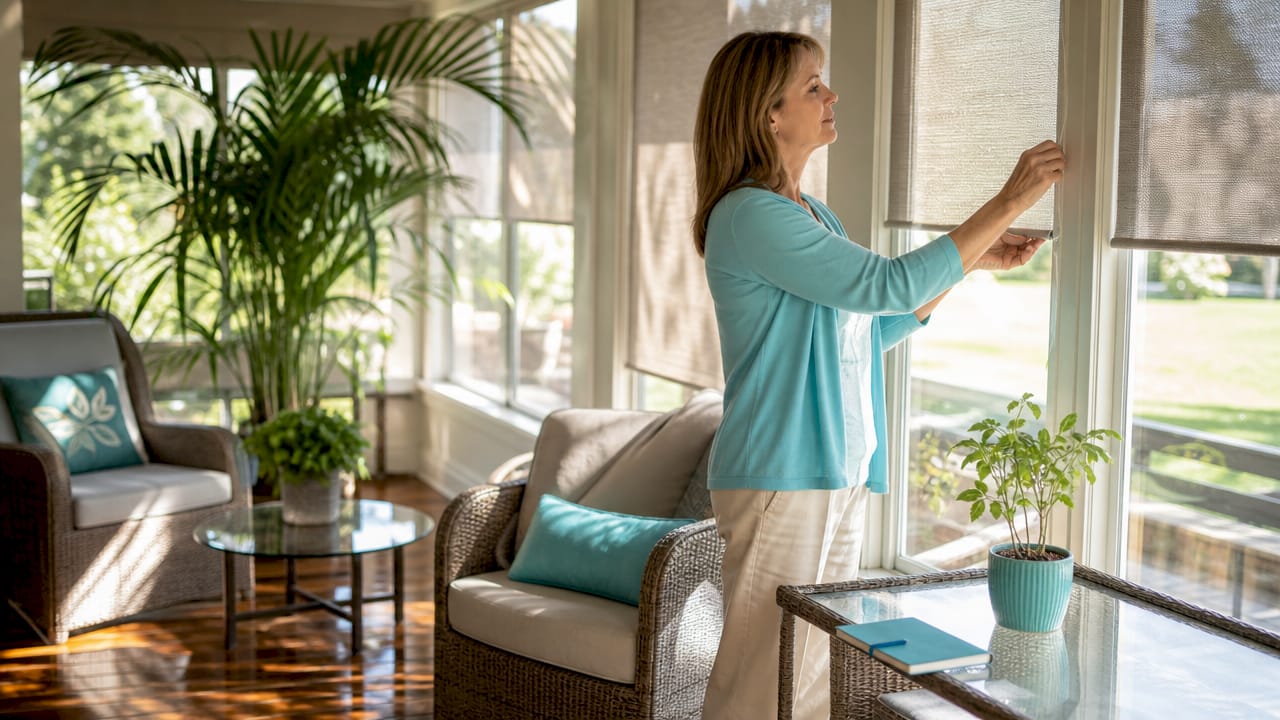
Window shades are the single most versatile window treatment category available to homeowners and renters today, covering everything from blackout cellular panels to solar roller shades that block UV rays while preserving your outdoor view. The right shade transforms a room’s function and feel. Types like roller, Roman, cellular, and motorized shades from brands including Lutron, SmartWings, and Levolor now offer more precision, style, and affordability than ever before. This guide breaks down window shades for every room so you can match the right product to each space without overspending or guessing.
1. How to choose window shades for each room
Function, fabric, and fit matter more than aesthetics when selecting window treatments. That principle should drive every decision you make, room by room.
Light control is the first variable to nail down. Sheer shades diffuse sunlight without blocking it, light-filtering shades reduce glare while keeping a room bright, and blackout shades eliminate nearly all incoming light. Each category serves a distinct purpose, and mixing them across rooms is not only acceptable but smart design.
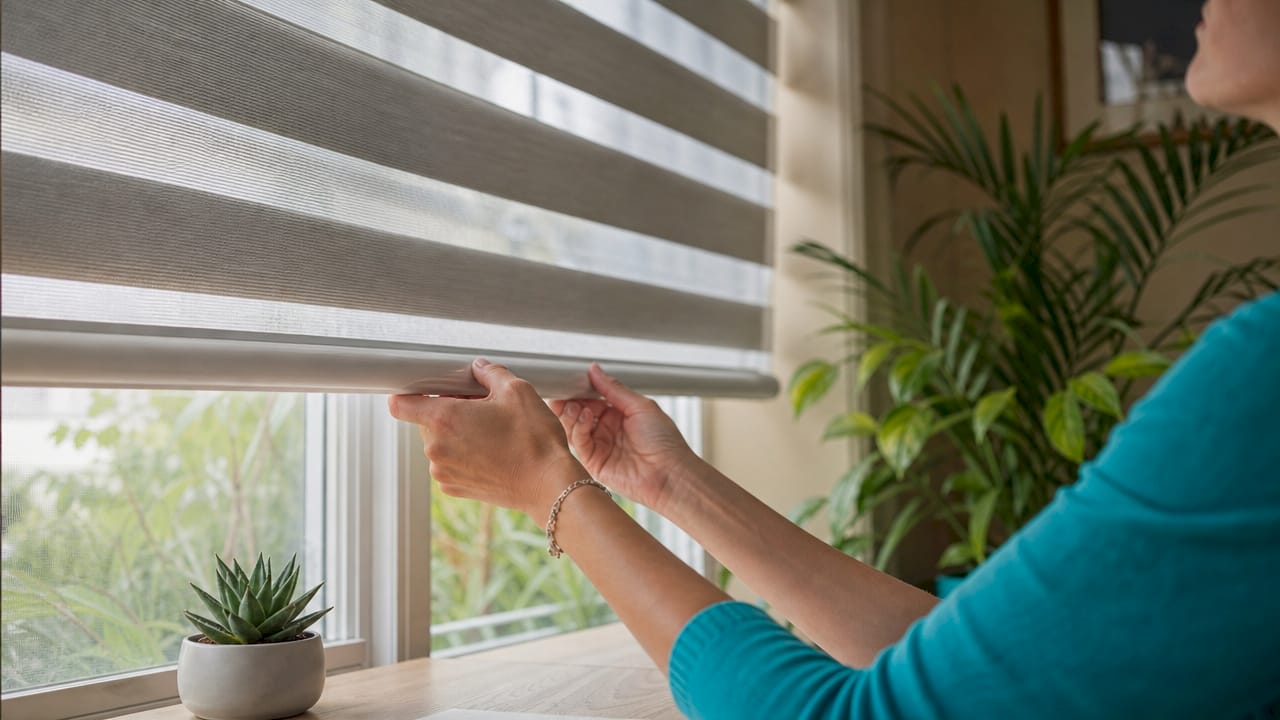
Privacy needs shift dramatically by location. A street-facing living room needs more coverage than a second-floor bedroom. Bathrooms and ground-floor spaces almost always require opaque or top-down/bottom-up configurations that let in light from above while blocking sightlines from outside.
Energy efficiency is a real, measurable benefit. Energy-efficient cellular shades reduce heating and cooling costs by trapping air in their honeycomb pockets, acting as insulation against both summer heat and winter cold. That makes them worth the price premium in rooms with large or drafty windows.
Budget and customization are the final filters. Custom window treatments offer a perfect fit and unlimited style options, but off-the-shelf shades tailored by a local seamstress can deliver near-custom results at a fraction of the cost. Know your ceiling before you start shopping.
Pro Tip: Measure your window width and height three times before ordering. A shade that is even half an inch too narrow creates a light gap that defeats the purpose of any blackout or privacy product.
2. Best window shades for living rooms and family rooms
The living room demands the most from a window treatment. You need UV protection, privacy control, and a style that anchors the room’s design without competing with furniture or art.
Solar shades are the standout choice here. Solar shades block about 99% of UV rays while maintaining your view to the outdoors. That means your sofa fabric, hardwood floors, and artwork stay protected without the room feeling closed off. Brandywineblinds carries a full range of solar shade options in openness factors from 1% to 14%, letting you dial in exactly how much light and visibility you want.
Layered shades, sometimes called zebra shades, are gaining traction in 2026 for living spaces. They alternate between sheer and opaque fabric bands, giving you continuous adjustment between full privacy and open light. The visual texture they add to a room is a genuine design asset, not just a functional one.
Roman shades work exceptionally well in family rooms where you want softness without drapery bulk. Roman shades use less fabric than drapery, which means you can afford a higher-quality cloth without blowing your budget. A linen Roman shade in a neutral tone reads as polished and intentional.
Shade type | Best for | Light control | Privacy level |
Solar shades | Views and UV protection | High UV block, visible light passes | Low to medium |
Layered/zebra shades | Flexible daily adjustment | Adjustable | Medium to high |
Roman shades | Style-forward spaces | Light filtering | Medium |
Roller shades | Minimal, modern look | Light filtering or blackout | Medium to high |
Pro Tip: Layer a solar shade with a sheer shade on the same window for full daytime UV protection and complete evening privacy without installing heavy drapery panels.
3. Best window shades for bedrooms and media rooms
Bedrooms and media rooms share one non-negotiable requirement: serious light control. This is where room darkening shades earn their place.
Blackout shades must block at least 80% of external light and require precise edge-to-edge sizing to eliminate light gaps. That second part is where most people go wrong. A shade that fits loosely inside the window frame will leak light around every edge, defeating the entire point. For bedrooms, always measure for an outside mount that extends two to three inches beyond the frame on each side.
Blackout cellular shades are the gold standard for bedrooms. Products like IKEA’s Trippevals block nearly all light while providing insulation, making them a two-in-one solution for comfort and energy savings. The honeycomb structure also absorbs some ambient noise, which matters in urban apartments or rooms facing busy streets.
Cordless and motorized cordless options are worth the upgrade in bedrooms, especially in homes with children. Cordless shades eliminate strangulation hazards and look cleaner. Motorized versions let you raise or lower shades without getting out of bed, which sounds like a luxury until you have a 6 a.m. sunrise hitting your face every morning.
For media rooms, pair blackout roller shades with a smart home hub so you can trigger full darkness with a single voice command or scene button. The difference in screen visibility is immediate and significant.
Pro Tip: If you rent and cannot drill into window frames, look for tension-mounted blackout shades. They install without hardware and still deliver solid light blocking for bedrooms.
4. Ideal window shades for kitchens, bathrooms, and specialty spaces
Kitchens and bathrooms punish the wrong window treatment fast. Steam, grease, humidity, and frequent cleaning cycles destroy fabric shades that were designed for dry living spaces.
Material selection is everything in these rooms. Faux wood blinds, vinyl roller shades, and solar shades made from polyester or fiberglass mesh all resist moisture without warping, fading, or growing mildew. Natural wood and fabric Roman shades belong in living rooms and bedrooms, not above a kitchen sink.
For kitchens, café-style shades that cover only the lower half of the window are a practical and stylish solution. They block direct sightlines from outside while letting daylight pour in from the top. A short Roman shade in a wipe-clean fabric works equally well and adds a touch of warmth to what can otherwise be a cold, utilitarian space.
Bathrooms benefit from top-down/bottom-up cellular shades. You get privacy at eye level while the top portion stays open for natural light. This configuration is particularly useful in bathrooms with frosted glass or high windows where full blackout is unnecessary.
Cleaning is straightforward for most moisture-resistant shades. A damp microfiber cloth handles dust and grease on vinyl and polyester without damaging the material. Avoid soaking any shade, even moisture-resistant ones, as prolonged water exposure can compromise the mounting hardware.
5. How to choose motorized and smart window shades
Motorized shades have moved from luxury add-on to practical upgrade. The technology is more accessible, more reliable, and quieter than it was even three years ago.
Modern motorized shades operate below 40 decibels, which is quieter than a normal conversation. That makes them genuinely suitable for bedrooms and home offices where noise disruption matters. Brands like Lutron and SmartWings lead this category, with Lutron’s Serena shades integrating directly with Apple HomeKit, Amazon Alexa, and Google Home without a separate hub.
The practical benefits go beyond convenience. Scheduled automation means your shades open at sunrise and close at sunset without any manual input. That consistency improves sleep quality, reduces UV exposure on furniture, and can meaningfully cut energy costs by keeping heat out in summer and retaining warmth in winter.
For renters, no-drill motorized shades with spring-loaded brackets are a real solution. They require no permanent installation, leave no damage on window frames, and still connect to your smart home system. SmartWings offers several models in this category that work with Alexa and Google Home out of the box.
Connectivity options: Wi-Fi direct, Zigbee, Z-Wave, and Bluetooth are the four main protocols. Wi-Fi direct is simplest for most homeowners. Zigbee and Z-Wave require a hub but offer more reliable range across large homes.
Battery vs. hardwired: Battery-powered motors are easier to install and ideal for renters. Hardwired motors are more reliable for daily use in permanent installations.
Voice assistant compatibility: Confirm compatibility with your existing ecosystem before purchasing. Lutron works natively with most major platforms. SmartWings requires a hub for full integration.
Pro Tip: For motorized window treatments, buy all shades in a room from the same brand and motor type. Mixing brands creates app fragmentation and makes scheduling scenes far more complicated than it needs to be.
Key takeaways
The best window shades for every room combine precise sizing, room-appropriate light control, and materials matched to the environment they will live in.
Point | Details |
Function before style | Identify light control and privacy needs before choosing fabric or color. |
Sizing is critical | Blackout shades require edge-to-edge coverage to prevent light leakage around frames. |
Match material to room | Use moisture-resistant vinyl or polyester in kitchens and bathrooms, fabric in dry rooms. |
Motorized shades are practical | Quiet motors under 40 decibels and no-drill options make automation accessible for renters. |
Budget smartly | Off-the-shelf shades tailored locally deliver near-custom fit at a fraction of full custom cost. |
What I’ve learned after years of window treatment decisions
After working with hundreds of homeowners on window treatments, the single most common mistake I see is choosing shades based on how they look in a showroom photo rather than how they will perform in a specific room. A gorgeous linen Roman shade looks terrible above a kitchen sink after six months of steam and cooking grease. A beautiful sheer shade in a bedroom is useless if you work night shifts and need real darkness.
The measurement problem is equally persistent. Incorrect window treatments undermine a room’s design in ways that are hard to fix without starting over. I have seen clients spend money on premium blackout shades and then lose all the benefit because the shade was mounted inside the frame with a quarter-inch gap on each side. Light pours through those gaps like a spotlight. Outside mounting with adequate overlap is not optional for blackout applications. It is the whole game.
My honest recommendation on motorized shades: stop treating them as a luxury category. The price gap between manual and motorized has narrowed considerably, and the daily quality-of-life improvement in bedrooms and living rooms is real. If you are already spending money on custom sizing, adding a quiet motor is a logical next step, not an extravagance.
Finally, do not try to use one shade type across your entire home for the sake of consistency. A solar shade that works perfectly in your living room will fail you in your bedroom. A blackout cellular shade that transforms your sleep will look heavy and out of place in a bright kitchen. Match the treatment to the room, and the overall design will feel more intentional, not less.
— Dave
Find the right shades for your home with Brandywineblinds

Brandywineblinds has spent over 30 years helping homeowners and renters across West Chester and Downingtown, PA find window treatments that actually work for their spaces. Their local experts guide you through blackout and privacy shades, cellular shade options, solar shades, and motorized systems, all at prices typically 30% lower than big box competitors. There are no franchise fees and no corporate markups, just personalized service backed by a lifetime warranty. Browse their full blinds and shades catalog to find the right fit for every room in your home.
FAQ
What type of window shade works best for bedrooms?
Blackout cellular shades are the top choice for bedrooms because they block over 80% of external light and provide insulation. Outside-mount sizing with overlap on all sides is required to eliminate light gaps.
Are motorized shades worth it for renters?
Yes. No-drill motorized shades with spring-loaded brackets install without permanent hardware and connect to smart home systems including Amazon Alexa and Google Home, making them a practical option for rental properties.
What shades are best for kitchens and bathrooms?
Faux wood, vinyl roller shades, and polyester solar shades resist moisture, warping, and mildew in humid or grease-prone environments. Avoid natural wood and fabric Roman shades in these rooms.
How do solar shades differ from blackout shades?
Solar shades block up to 99% of UV rays while preserving your outdoor view, making them ideal for living rooms. Blackout shades eliminate nearly all light and are designed for bedrooms and media rooms where darkness is the priority.
Can I get custom-quality shades without paying full custom prices?
Off-the-shelf shades tailored by a local seamstress deliver near-custom fit and style at significantly lower cost than fully custom orders. This approach works especially well for standard window sizes with straightforward fabric needs.
Recommended
Comments